


Bandiautosupply

How Personal Loans Work

By Marcus VanceLoans

How Personal Loans Work

Navigating major financial expenses often requires capital that goes beyond monthly cash flow. Whether you are consolidating high-interest credit card debt, funding an unexpected medical emergency, covering wedding or travel costs, or investing in home renovations, a personal loan serves as a versatile financial tool. Unlike specialized financing such as mortgages or auto loans, which restrict how funds are spent, personal loans provide flexible lump-sum capital for a wide array of personal needs.

However, before signing a promissory note, it is essential to understand the mechanics of how personal loans operate. From the initial underwriting and credit evaluation to interest accrual, fixed monthly installments, and associated fees, this comprehensive guide breaks down everything you need to know about how personal loans work and how to manage them responsibly.

What Is a Personal Loan?

At its core, a personal loan is a type of credit provided by a bank, credit union, or online lender that allows you to borrow a fixed sum of money. In most cases, personal loans are unsecured, meaning they do not require you to pledge physical collateral such as a home or a vehicle to back the debt.

Because lenders cannot seize your property if you default, they evaluate your loan application entirely based on your creditworthiness, income stability, employment history, and overall debt-to-income ratio. Once approved, the lender disburses the funds as a single lump sum directly into your bank account, and you repay the borrowed amount plus interest through fixed monthly installments over a predetermined loan term.

Step-by-Step Breakdown of How Personal Loans Work

Understanding the lifecycle of a personal loan helps demystify the borrowing process. Here is what happens from application to final payoff:

  1. Prequalification and Rate Shopping: Many modern lenders allow you to check your estimated rates and loan offers through a soft credit pull, which does not impact your credit score. This step helps you compare Annual Percentage Rates (APRs), loan terms, and fees across multiple institutions.

  2. Formal Application and Document Verification: Once you select a lender, you submit a formal application. You will need to provide proof of identity, residential address, employment verification, and income documentation (such as tax returns, W-2s, or bank statements).

  3. Underwriting and Credit Evaluation: The lender’s underwriting system evaluates your credit score, income, and existing debt obligations to determine your eligibility and assign a personalized interest rate.

  4. Loan Approval and Disbursal: Upon approval, you review and sign the final loan agreement. The loan proceeds are then deposited into your bank account, often within 24 to 72 hours.

  5. Fixed Monthly Repayment: You begin making scheduled monthly payments (Equated Monthly Installments, or EMIs) covering both principal reduction and accrued interest until the balance is fully cleared.

Core Financial Mechanics: Interest Rates and Repayment Terms

When managing a personal loan, two primary factors dictate your monthly financial obligation and the total cost of borrowing:

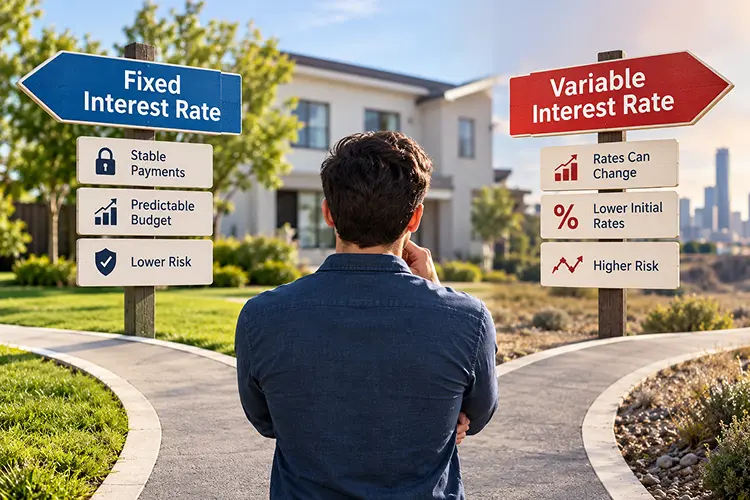
  • The Interest Rate (APR): Personal loan interest rates are typically fixed, meaning your rate and monthly payment remain locked for the entire duration of the loan term. Rates vary based on your credit score; borrowers with exceptional credit qualify for the lowest APRs, while those with lower scores face higher rates to offset the lender's risk.

  • The Loan Term: Repayment periods typically range from 12 to 72 months. Choosing a longer term results in smaller monthly payments, making day-to-day budgeting easier, but it increases the total amount of interest you will pay over time. Conversely, a shorter term yields higher monthly payments but minimizes lifetime interest expenses.

Common Fees Associated with Personal Loans

Beyond the interest rate, lenders may assess administrative fees that impact the total cost of your financing. When comparing offers, always inspect the following fee structures:

  • Origination Fees: Upfront administrative charges deducted directly from your loan proceeds before disbursal, typically ranging from 1% to 10% of the loan amount.

  • Prepayment Penalties: Some lenders charge a fee if you pay off your loan ahead of schedule. Fortunately, many reputable lenders offer fee-free prepayments, allowing you to save money by clearing debt early.

  • Late Payment Fees: Assessed if your monthly installment is not received by the due date, which can also trigger negative marks on your credit report.

When Is a Personal Loan a Smart Financial Move?

Personal loans are flexible, but they should be used strategically to support your broader financial health. Common appropriate use cases include:

  1. Debt Consolidation: Combining multiple high-interest credit card balances into a single personal loan with a lower fixed APR. This simplifies repayment into one monthly bill and accelerates debt freedom.

  2. Emergency Expenses: Covering urgent, unexpected costs such as major medical bills or essential home repairs when liquid cash reserves are insufficient.

  3. Major Life Milestones: Financing planned expenses like weddings or educational milestones where structured repayment fits comfortably within your monthly cash flow.

Best Practices for Responsible Borrowing

  1. Borrow Only What You Need: It can be tempting to take a larger loan than necessary, but every extra dollar borrowed increases your monthly obligation and total interest costs.

  2. Protect Your Cash Flow: Ensure your monthly loan payment fits comfortably inside your budget without straining your finances. A sound rule of thumb is keeping total debt service payments below 35% to 40% of your net monthly income.

  3. Automate Your Payments: Set up automatic bank transfers for your monthly due dates to eliminate the risk of accidental late fees and protect your credit score.

Share
How Personal Loans Work: Complete Guide for Borrowers | Bandiautosupply