Side income can be a great way to increase your earnings, but it also comes with additional tax responsibilities. Unlike a traditional W-2 job, where taxes are typically withheld from each paycheck, self-employment income generally arrives without taxes being taken out.
That means you need to plan ahead for both income taxes and self-employment taxes.
What Is Self-Employment Tax?
If you earn money from freelance work, consulting, online businesses, gig work, or other self-employed activities, you may owe self-employment tax.
The self-employment tax rate is generally 15.3%, which covers Social Security and Medicare taxes. With traditional employment, the employer typically pays part of these payroll taxes. When you are self-employed, you are generally responsible for both portions.
For example, if you have $10,000 of net self-employment earnings, your self-employment tax could be roughly $1,530 before considering applicable deductions and other tax rules.
Self-employment tax is separate from your regular federal income tax, so you may need to plan for both.
You May Need to Make Estimated Tax Payments
Because taxes usually aren’t automatically withheld from self-employment income, you may need to make estimated tax payments during the year.
The IRS generally requires estimated payments when you expect to owe at least $1,000 in federal tax after subtracting withholding and refundable credits, although specific rules and exceptions apply.
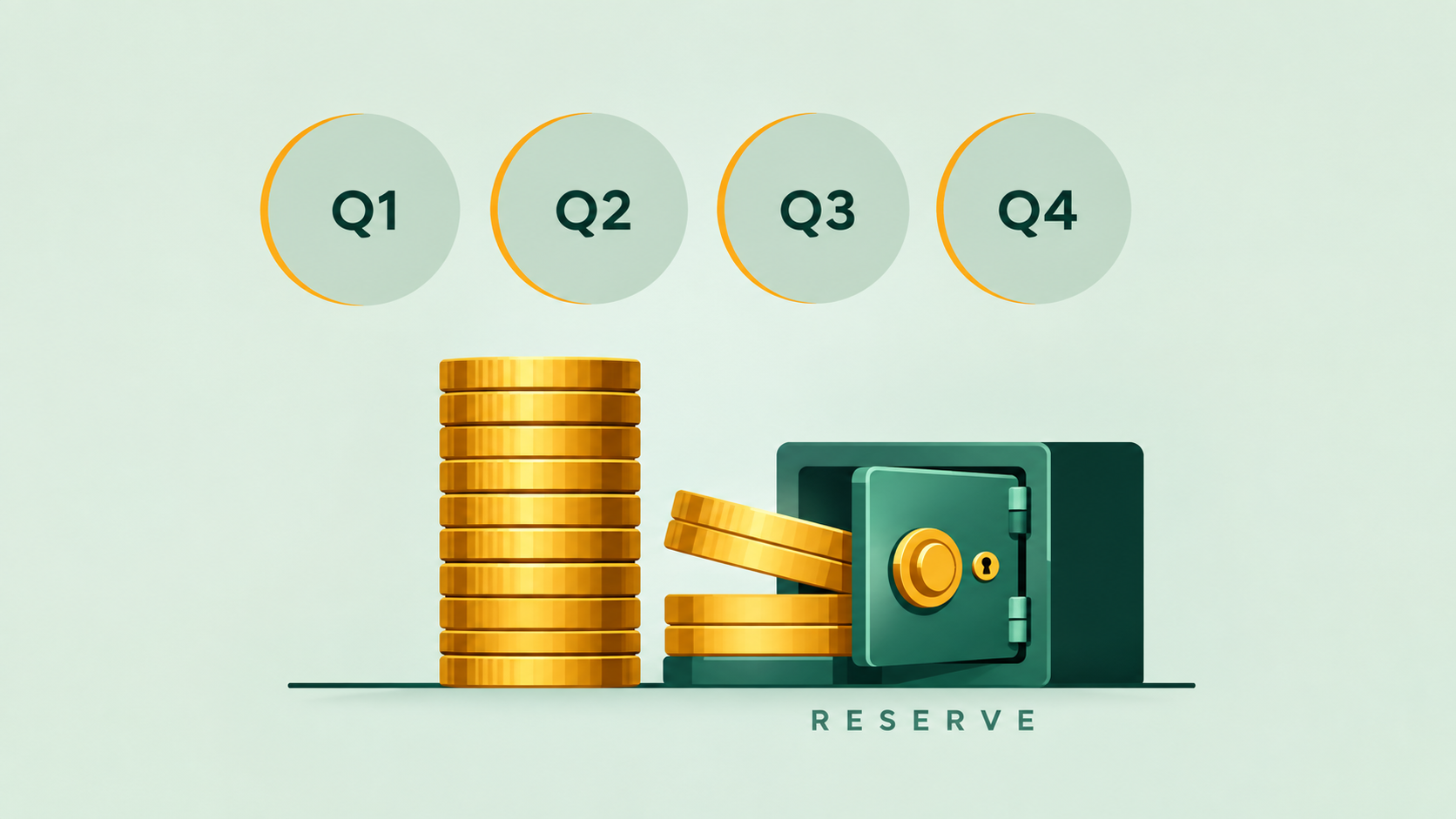
Estimated federal tax payments are generally due four times a year. The usual deadlines are around:
- April
- June
- September
- January of the following year
Missing required payments or paying too little can potentially result in penalties, so it’s important to plan for these payments rather than waiting until tax season.
Keep Business and Personal Finances Separate
One of the easiest ways to make self-employment taxes easier to manage is to separate your business finances from your personal finances.
Consider opening a dedicated checking account for your side business and using it for business income and expenses.
This can make it much easier to identify deductible business expenses and keep accurate records throughout the year.
Depending on your type of work, potentially deductible expenses may include:
- Business software subscriptions
- Office supplies
- Business-related mileage
- Equipment and other supplies
- Certain home-office expenses
- Certain business-related phone or internet costs
Not every expense qualifies, and tax rules can vary depending on your circumstances. Keep receipts and other records so you can support your expenses if needed.
Set Money Aside for Taxes
A simple habit can prevent a large tax bill from becoming a surprise.
When you receive a payment from your side business, consider moving a portion of that money into a separate savings account for taxes.
Some people set aside 25% to 30% of their income as a starting point, but the appropriate amount depends on factors such as your total income, deductions, filing status, and state taxes.
If you’re unsure how much to save, consider speaking with a qualified tax professional.
Track Your Income and Expenses Regularly
You don’t need a complicated accounting system to get started.
A spreadsheet can be enough for a small side business, while an accounting app may make sense as your income and expenses grow.
The important thing is consistency.
Set aside a few minutes each week to record:
- Income received
- Business expenses
- Receipts
- Mileage, if applicable
- Tax payments
- Other relevant financial records
Keeping these records up to date is much easier than trying to reconstruct everything at the end of the year.
Put Tax Deadlines on Your Calendar
Tax deadlines are easy to forget when you’re managing a side business alongside a regular job.
Add estimated tax payment deadlines to your calendar and set reminders several days or weeks in advance.
This gives you time to calculate what you owe and make the payment before the deadline.
The Bottom Line
Managing taxes on side income doesn’t have to be complicated.
A dedicated business account, regular expense tracking, a separate tax savings account, and reminders for estimated payments can make the process much easier.
The earlier you establish these habits, the less likely you are to face a stressful search through months of bank statements when tax season arrives.
Note: Tax rules can change and may vary based on your individual circumstances and location. This article is for general informational purposes and should not be considered tax, legal, or financial advice. For advice specific to your situation, consult a qualified tax professional or the IRS.
Leave a Reply