Category: Uncategorized

  • Delaying Social Security Until 70 Could Increase Your Monthly Benefit by More Than 75%

    Delaying Social Security Until 70 Could Increase Your Monthly Benefit by More Than 75%

    For many retirees, deciding when to claim Social Security is one of the biggest financial decisions they will make. While claiming benefits early can provide income sooner, waiting until age 70 can significantly increase the monthly benefit for the rest of your life.

    Why Waiting Can Increase Your Benefit

    Your Social Security benefit depends partly on when you begin claiming it.

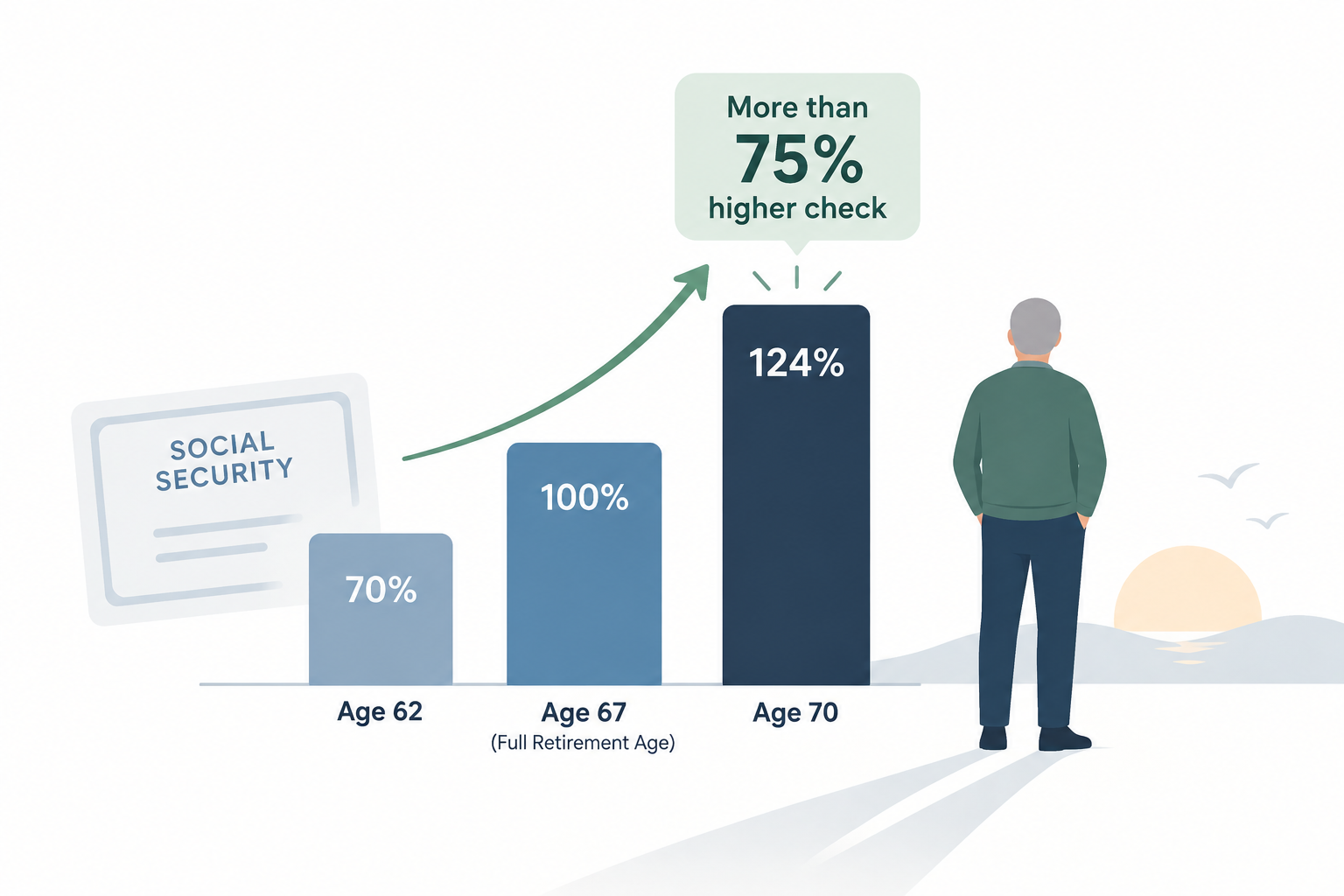
    For someone whose full retirement age is 67, claiming at age 62 can reduce the benefit to about 70% of the full retirement benefit. Waiting until age 70 can increase the benefit to 124% of the full retirement benefit because of delayed retirement credits.

    That means the monthly benefit at 70 can be roughly 77% higher than the benefit available at age 62.

    Because cost-of-living adjustments are applied to the benefit, receiving a larger starting benefit can also create a larger dollar amount when future adjustments are applied.

    The Biggest Challenge Is Covering the Gap

    The main difficulty with delaying Social Security is paying for your living expenses between your early 60s and age 70.

    Some people may cover this period by:

    • Continuing to work
    • Using taxable investment accounts
    • Drawing from retirement savings
    • Combining income from work and savings

    Using retirement savings during your 60s while allowing your Social Security benefit to grow can be one approach to consider. Your individual tax situation, however, can affect which strategy makes the most sense.

    Married Couples Have Another Consideration

    Delaying Social Security can be particularly important for married couples when one spouse is the higher earner.

    If the higher-earning spouse delays benefits, the larger benefit can potentially provide a larger survivor benefit to the spouse who lives longer.

    This makes the claiming decision more than just a question of how much money you receive each month. Your decision can also affect your spouse’s financial security later in life.

    When Claiming Earlier May Make Sense

    Waiting until 70 isn’t automatically the best choice for everyone.

    Claiming earlier may make more sense if:

    • You have serious health concerns
    • You have a shorter expected retirement period
    • You need the income immediately
    • Social Security is your primary source of retirement income
    • You don’t have enough savings to comfortably cover the waiting period

    The value of delaying depends heavily on your health, finances, household situation, and ability to pay expenses while waiting.

    Don’t Wait Past Age 70

    Delayed retirement credits stop increasing your Social Security retirement benefit once you reach age 70. If you are considering delaying benefits, there generally isn’t a financial reason to continue postponing your retirement benefit beyond that age.

    Before making a decision, review your Social Security statement and compare your estimated benefits at different claiming ages, such as 62, your full retirement age, and 70.

    Seeing those three numbers side by side can make the potential difference much easier to understand.

    Bottom Line

    Delaying Social Security can provide a substantially larger monthly benefit and may be especially valuable for people who expect to live well into retirement.

    However, the best claiming age is different for everyone. Consider your health, savings, income needs, taxes, and family situation before deciding when to claim.

    Disclaimer: This article is for general informational purposes only and should not be considered financial or retirement advice. Social Security rules and individual benefits can vary. Review your personal situation and consider speaking with a qualified financial professional before making a retirement decision.

  • Your Employer’s Life Insurance Coverage Is Probably Not Enough

    Your Employer’s Life Insurance Coverage Is Probably Not Enough

    Employer-provided life insurance can feel like a complete safety net. Coverage is often included automatically with workplace benefits, so it is easy to assume your family would have enough financial protection if something happened to you.

    In many cases, however, employer coverage may not be enough to replace your income or cover your family’s long-term financial needs.

    Employer Coverage May Leave a Large Gap

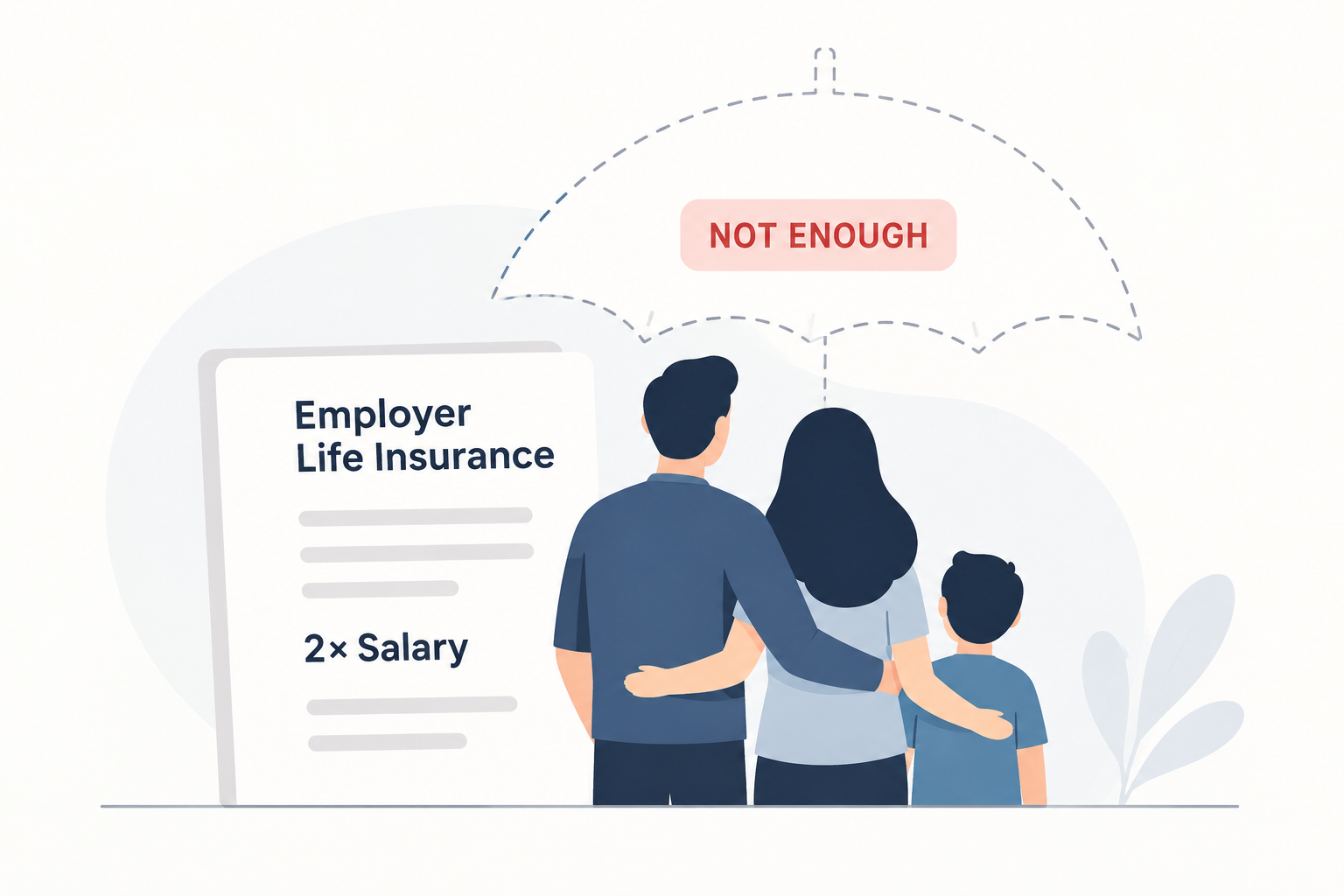
    Consider someone earning $70,000 a year with employer-provided coverage equal to twice their salary. That would provide a $140,000 death benefit.

    While $140,000 may sound substantial, the money could quickly be used for expenses such as funeral costs, outstanding bills, mortgage payments, and childcare.

    Life insurance is designed to help replace the financial support your income provides over many years. A relatively small employer policy may not provide enough money to cover those long-term needs.

    Your Coverage Usually Depends on Your Job

    Another important issue is that employer-sponsored life insurance is generally connected to your employment.

    If you leave your job, are laid off, or retire, your employer-provided coverage may end. Replacing the coverage later could also become more expensive, particularly if your health has changed.

    Supplemental life insurance offered through an employer may have similar limitations, and premiums can increase as you move into older age bands.

    Estimate How Much Coverage You Need

    A simple starting point is to estimate your coverage based on your income.

    One commonly used guideline is 10 to 12 times your annual income. You can then adjust that amount based on your family’s circumstances.

    You may need more coverage if you have:

    • A large mortgage
    • Young children
    • Future education expenses
    • Significant debts
    • A spouse who depends heavily on your income

    You may need less if your spouse has a strong income, your children are financially independent, or you already have substantial savings and investments.

    After estimating the amount your family may need, subtract the coverage provided by your employer. The difference can give you a starting point for considering an individual life insurance policy.

    Consider Individual Term Life Insurance

    If you need additional coverage, individual term life insurance can provide protection for a specific period.

    For example, a healthy 30-year-old may be able to purchase a substantial amount of 20-year term coverage at a relatively affordable monthly premium. The exact price depends on factors such as age, health, coverage amount, policy term, and insurer.

    A longer term may make sense for someone who wants coverage through important financial years, such as the period when children are growing up or a mortgage is being paid off.

    Employer Coverage Can Still Be Useful

    This doesn’t mean you should reject employer-provided life insurance.

    If your employer provides free coverage, it can be a valuable benefit. The problem is relying on it as your only life insurance protection.

    Think of workplace coverage as an additional layer of protection while maintaining an individual policy that is not tied to your current employer.

  • How to Get a Mortgage Loan if You’re Self-Employed With Fluctuating Income

    How to Get a Mortgage Loan if You’re Self-Employed With Fluctuating Income

    Getting a mortgage can be more complicated when you are self-employed, especially if your income changes from year to year. Unlike traditional employees who receive regular W-2 paychecks, self-employed borrowers often need to provide additional documentation to show lenders that their income is reliable.

    The good news is that being self-employed does not automatically prevent you from qualifying for a mortgage. Good preparation, organized financial records, and a strong credit profile can make the process easier.

    What Lenders Look For

    Mortgage lenders generally want to understand your income, credit history, debts, and ability to make your monthly payments. Self-employed applicants may need to provide more documentation than traditional employees because their income can fluctuate.

    Here are some steps that can strengthen your application.

    1. Show a Consistent Work History

    Many lenders look for a history of self-employment and documentation showing that your business income is established.

    Depending on your situation, lenders may request tax returns, business documentation, licenses, or other records that demonstrate your self-employment status.

    2. Keep Detailed Income Records

    Be prepared to show where your business income comes from.

    Bank statements, client payments, invoices, and other payment records can help demonstrate your cash flow. Keeping these records organized throughout the year can save considerable time when applying for a mortgage.

    3. Improve Your Credit

    Your credit history is an important part of a mortgage application.

    Before applying, review your credit reports for errors and work on reducing outstanding balances and making payments on time. Lower credit utilization and a stronger credit history can improve your overall application.

    4. Reduce Your Debt-to-Income Ratio

    Lenders also consider your debt-to-income ratio (DTI). This compares your monthly debt obligations with your gross monthly income.

    For example, if your qualifying monthly income is $4,000 and your monthly debt payments total $1,000:

    $1,000 ÷ $4,000 = 25% DTI

    A lower DTI can make your application more attractive because it shows that a smaller portion of your income is already committed to debt payments.

    5. Build Emergency Savings

    Fluctuating income can make lenders more cautious. Having savings available can demonstrate that you have funds to cover expenses if your business experiences a temporary slowdown.

    Building several months of financial reserves can also give you greater flexibility after purchasing a home.

    6. Keep Business and Personal Finances Separate

    Separating business and personal finances can make your financial records much easier to understand.

    Consider using a dedicated business bank account for business income and expenses while keeping household finances in your personal account. This can also make it easier to prepare financial statements and explain your business cash flow to a lender.

    7. Understand How Tax Deductions Affect Your Qualifying Income

    Tax deductions can reduce your taxable business income. While deductions can be beneficial for your taxes, they may also affect how much income a lender considers when evaluating your mortgage application.

    Because mortgage qualification and tax rules can be complicated, discuss your situation with your accountant and mortgage professional before making major tax decisions.

    Mortgage Options for Self-Employed Borrowers

    Depending on your circumstances, you may have several mortgage options.

    Joint Mortgage

    A joint mortgage allows two or more people to apply together. Having a co-borrower with stable income may strengthen an application, although lenders will still evaluate each applicant’s credit and financial situation.

    Government-Backed Loans

    Some government-backed mortgage programs may provide options for qualified borrowers who meet their specific requirements. Eligibility, down-payment requirements, credit standards, and other conditions vary by program.

    Bank Statement Loans

    Some lenders offer bank statement loans that use documented deposits and bank statements to evaluate income rather than relying solely on traditional tax documentation.

    These loans can be useful for some self-employed borrowers, but they may have different requirements, rates, fees, or down-payment expectations.

    Portfolio Loans

    Portfolio loans are generally kept by the lender rather than being sold to another institution. They may offer an alternative for certain borrowers with unusual income situations, although requirements and costs can vary significantly between lenders.

    Work With a Mortgage Professional

    A mortgage broker or lender who regularly works with self-employed borrowers may be able to explain which documentation and loan programs are appropriate for your situation.

    Experience with fluctuating income can be particularly useful because different lenders may evaluate self-employed income differently.

    Frequently Asked Questions

    Are mortgage rates higher for self-employed borrowers?

    Not necessarily. Self-employed borrowers with strong credit, stable qualifying income, and manageable debt may be able to receive competitive mortgage terms. However, individual rates depend on many factors.

    Is refinancing harder when you are self-employed?

    Being self-employed does not automatically prevent you from refinancing. However, you may need to provide additional documentation to demonstrate your income and financial stability, particularly when your income fluctuates.

    Final Thoughts

    Getting a mortgage while self-employed may require more preparation, but fluctuating income does not necessarily mean you cannot qualify.

    Start by organizing your financial records, maintaining good credit, managing your debt, keeping business and personal finances separate, and building adequate savings. Most importantly, check the current requirements with your lender before applying because mortgage guidelines can vary.

    Disclaimer: This article is for general informational and educational purposes only. Mortgage requirements, interest rates, tax rules, and loan programs can change. Consider speaking with a qualified mortgage professional, lender, or financial adviser about your individual circumstances.

  • Side Income and Self-Employment Taxes: What You Need to Know

    Side Income and Self-Employment Taxes: What You Need to Know

    Side income can be a great way to increase your earnings, but it also comes with additional tax responsibilities. Unlike a traditional W-2 job, where taxes are typically withheld from each paycheck, self-employment income generally arrives without taxes being taken out.

    That means you need to plan ahead for both income taxes and self-employment taxes.

    What Is Self-Employment Tax?

    If you earn money from freelance work, consulting, online businesses, gig work, or other self-employed activities, you may owe self-employment tax.

    The self-employment tax rate is generally 15.3%, which covers Social Security and Medicare taxes. With traditional employment, the employer typically pays part of these payroll taxes. When you are self-employed, you are generally responsible for both portions.

    For example, if you have $10,000 of net self-employment earnings, your self-employment tax could be roughly $1,530 before considering applicable deductions and other tax rules.

    Self-employment tax is separate from your regular federal income tax, so you may need to plan for both.

    You May Need to Make Estimated Tax Payments

    Because taxes usually aren’t automatically withheld from self-employment income, you may need to make estimated tax payments during the year.

    The IRS generally requires estimated payments when you expect to owe at least $1,000 in federal tax after subtracting withholding and refundable credits, although specific rules and exceptions apply.

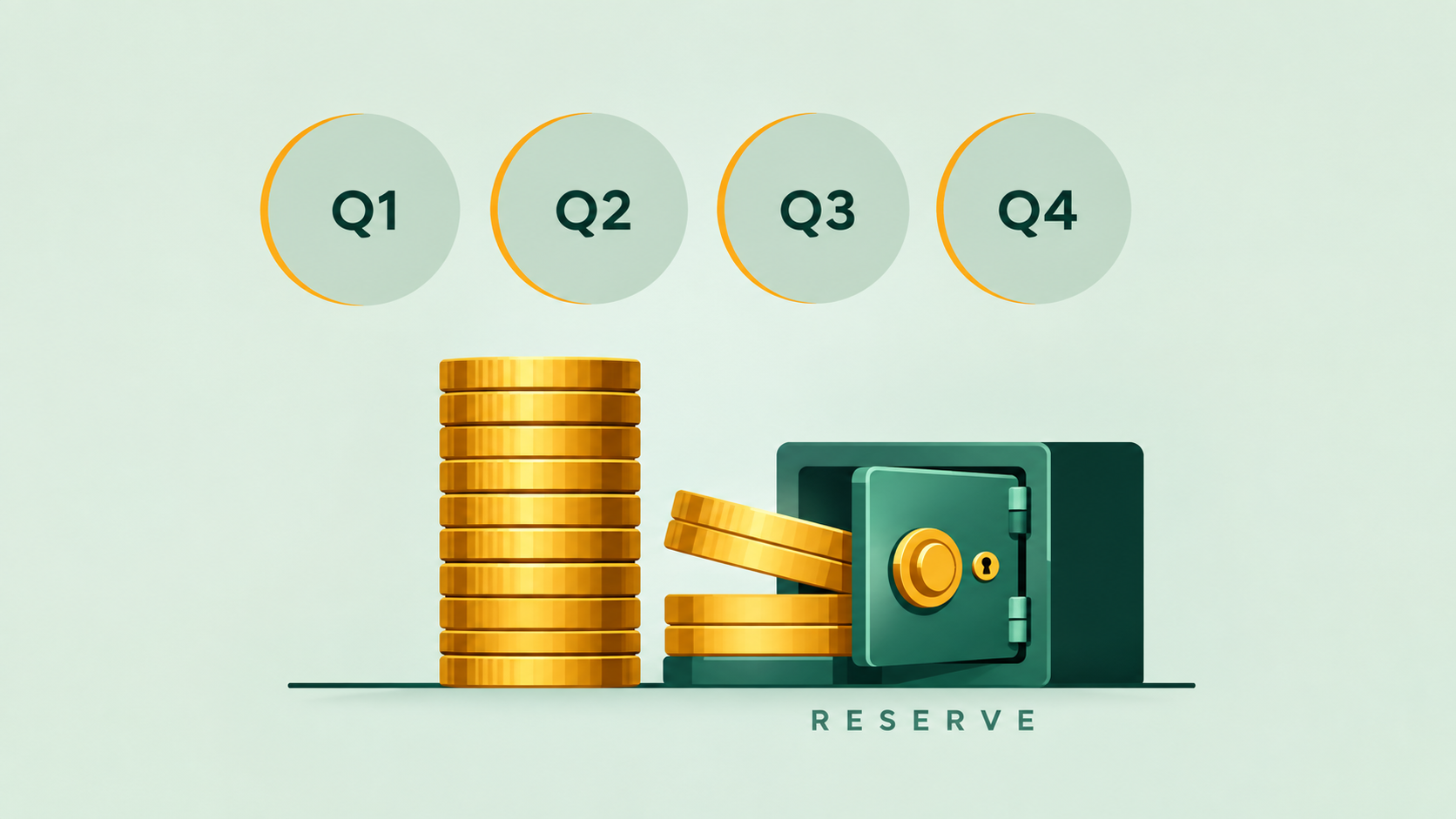
    Estimated federal tax payments are generally due four times a year. The usual deadlines are around:

    • April
    • June
    • September
    • January of the following year

    Missing required payments or paying too little can potentially result in penalties, so it’s important to plan for these payments rather than waiting until tax season.

    Keep Business and Personal Finances Separate

    One of the easiest ways to make self-employment taxes easier to manage is to separate your business finances from your personal finances.

    Consider opening a dedicated checking account for your side business and using it for business income and expenses.

    This can make it much easier to identify deductible business expenses and keep accurate records throughout the year.

    Depending on your type of work, potentially deductible expenses may include:

    • Business software subscriptions
    • Office supplies
    • Business-related mileage
    • Equipment and other supplies
    • Certain home-office expenses
    • Certain business-related phone or internet costs

    Not every expense qualifies, and tax rules can vary depending on your circumstances. Keep receipts and other records so you can support your expenses if needed.

    Set Money Aside for Taxes

    A simple habit can prevent a large tax bill from becoming a surprise.

    When you receive a payment from your side business, consider moving a portion of that money into a separate savings account for taxes.

    Some people set aside 25% to 30% of their income as a starting point, but the appropriate amount depends on factors such as your total income, deductions, filing status, and state taxes.

    If you’re unsure how much to save, consider speaking with a qualified tax professional.

    Track Your Income and Expenses Regularly

    You don’t need a complicated accounting system to get started.

    A spreadsheet can be enough for a small side business, while an accounting app may make sense as your income and expenses grow.

    The important thing is consistency.

    Set aside a few minutes each week to record:

    • Income received
    • Business expenses
    • Receipts
    • Mileage, if applicable
    • Tax payments
    • Other relevant financial records

    Keeping these records up to date is much easier than trying to reconstruct everything at the end of the year.

    Put Tax Deadlines on Your Calendar

    Tax deadlines are easy to forget when you’re managing a side business alongside a regular job.

    Add estimated tax payment deadlines to your calendar and set reminders several days or weeks in advance.

    This gives you time to calculate what you owe and make the payment before the deadline.

    The Bottom Line

    Managing taxes on side income doesn’t have to be complicated.

    A dedicated business account, regular expense tracking, a separate tax savings account, and reminders for estimated payments can make the process much easier.

    The earlier you establish these habits, the less likely you are to face a stressful search through months of bank statements when tax season arrives.

    Note: Tax rules can change and may vary based on your individual circumstances and location. This article is for general informational purposes and should not be considered tax, legal, or financial advice. For advice specific to your situation, consult a qualified tax professional or the IRS.